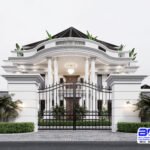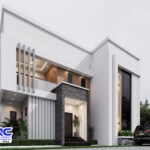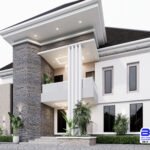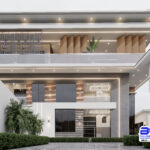
There is a particular frustration that comes with trying to build a house, especially a 4 Bedroom single-floor home in Nigeria today. You search online, read articles, ask agents, watch YouTube videos, maybe even ask an AI, and everyone gives you a number. It sounds reasonable. You do your maths, arrange your funds, and feel ready.
Then you step into the market.
The cement price you saw last week has changed. The iron rod supplier quotes something different from what the blog said. The contractor’s labour rate has shifted. And slowly, that budget you built so carefully begins to crack, not because you planned badly, but because Nigeria’s economy moves faster than any article can keep up with. By the time most pricing guides are published, the naira has moved, materials have shifted, and the figures are already history.
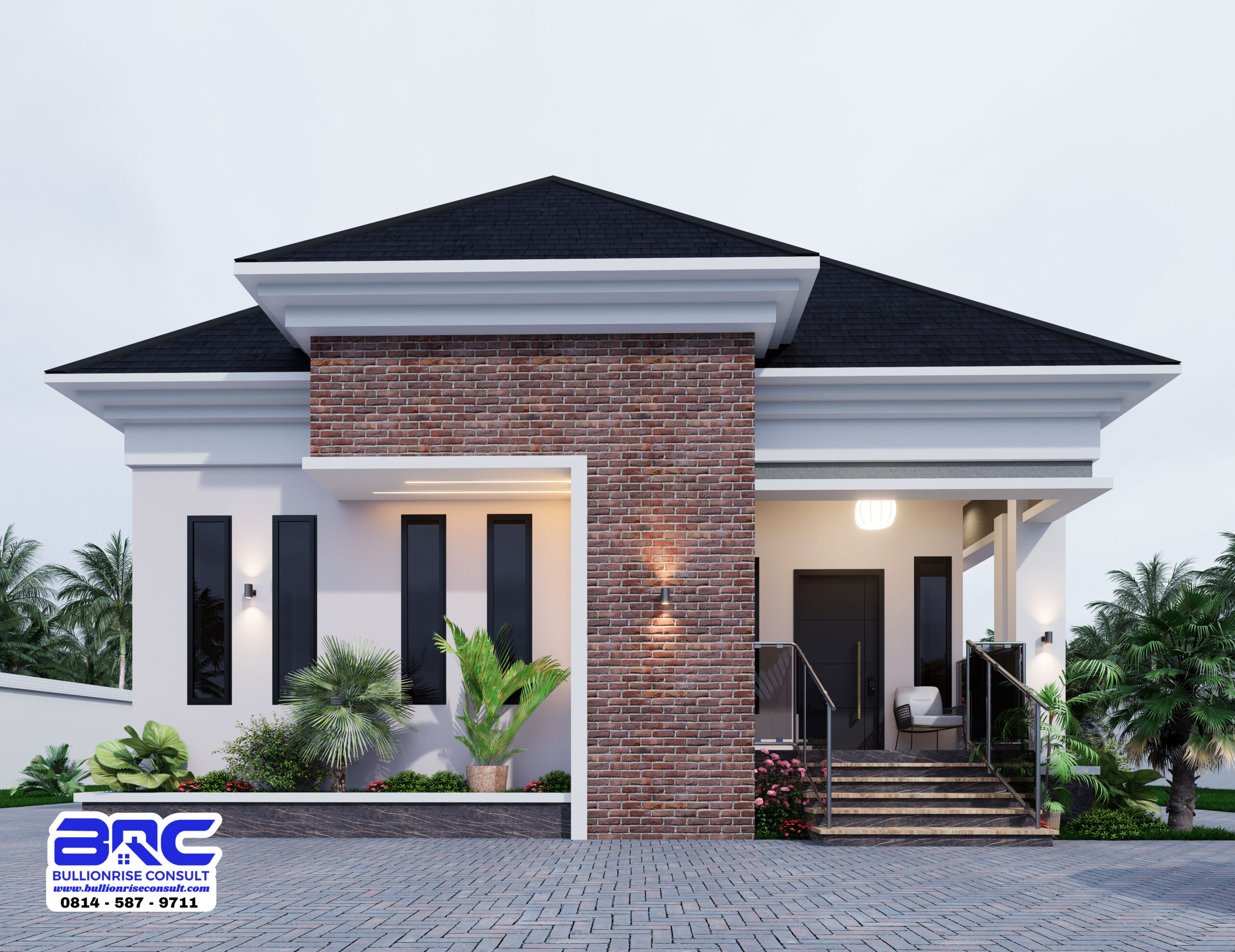
This is the reality of building in Nigeria in 2026. And it is why this post will not hand you a single fixed number and call it a day. Instead, we will walk you through a realistic cost framework, one that accounts for price volatility, location differences, hidden expenses, and the buffer you absolutely must have before breaking ground. Because the goal is not just to know the cost of building a 4 bedroom Single-floor. The goal is not to run out of money halfway through.
So, What Does it Actually Cost to build in Lagos?
To give you a straight answer, a standard 4 Bedroom Single-floor in Lagos will cost you somewhere between $45000 and $60,000, which translates to roughly ₦60 million to ₦80 million at today’s exchange rate.
But that word “standard” is doing a lot of work. Because two plots on the same street in Lagos can carry very different building costs and it comes down to something most pricing guides never mention: proximity to materials.
Construction materials don’t teleport to your site. Cement, iron rods, sand, granite, blocks; they all have to be sourced and moved. If your site is in an area where suppliers and depots are close by, you save significantly on haulage and logistics. But if your land is in a less accessible part of Lagos, deep into the outskirts, a waterfront area, or somewhere with poor road access, every truck journey adds to your bill. The materials cost the same, but getting them to you doesn’t.
This is one of those hidden variables that no blog will put in their estimate, but every contractor on the ground knows it well.
So before you lock in a budget, the first question is not just “how big is the house?”. It is “where exactly are we building, and how easy is it to get materials there?”
Stage-by-Stage Breakdown
Building a house is not one lump sum payment. It is a series of stages, each with its own cost, and each one that must be fully funded before the next can begin. Here is a realistic breakdown for a standard 4 bedroom single-floor in Lagos:
Architectural Plans and Building Permit: Before a single block is laid, you need an approved architectural drawing and a building permit from LASBCA or LASPPPA, depending on your area. Do not skip this. Building without approval is one of the fastest ways to lose everything you have invested.
Foundation: This is where the project truly begins. The cost here depends heavily on your soil type. A firm, dry plot in Ikorodu builds a different kind of foundation than a waterlogged plot in Ajah or Lekki Phase 2. Soft or swampy terrain will require raft or pile foundation, which significantly raises this figure. Soil testing before you start saves you from expensive surprises mid-build.
Blockwork (from foundation to roof level): This covers all the walling, including the columns, lintels, and concrete frame. Cement alone is a major driver here. As of early 2026, a 50kg bag of cement in Nigeria is selling between ₦9,000 and ₦15,000, depending on your location and brand and the price has been climbing sharply. A 4 bedroom Single-floor will consume roughly 400 to 600 bags of cement for blockwork alone. Factor that into your projections.
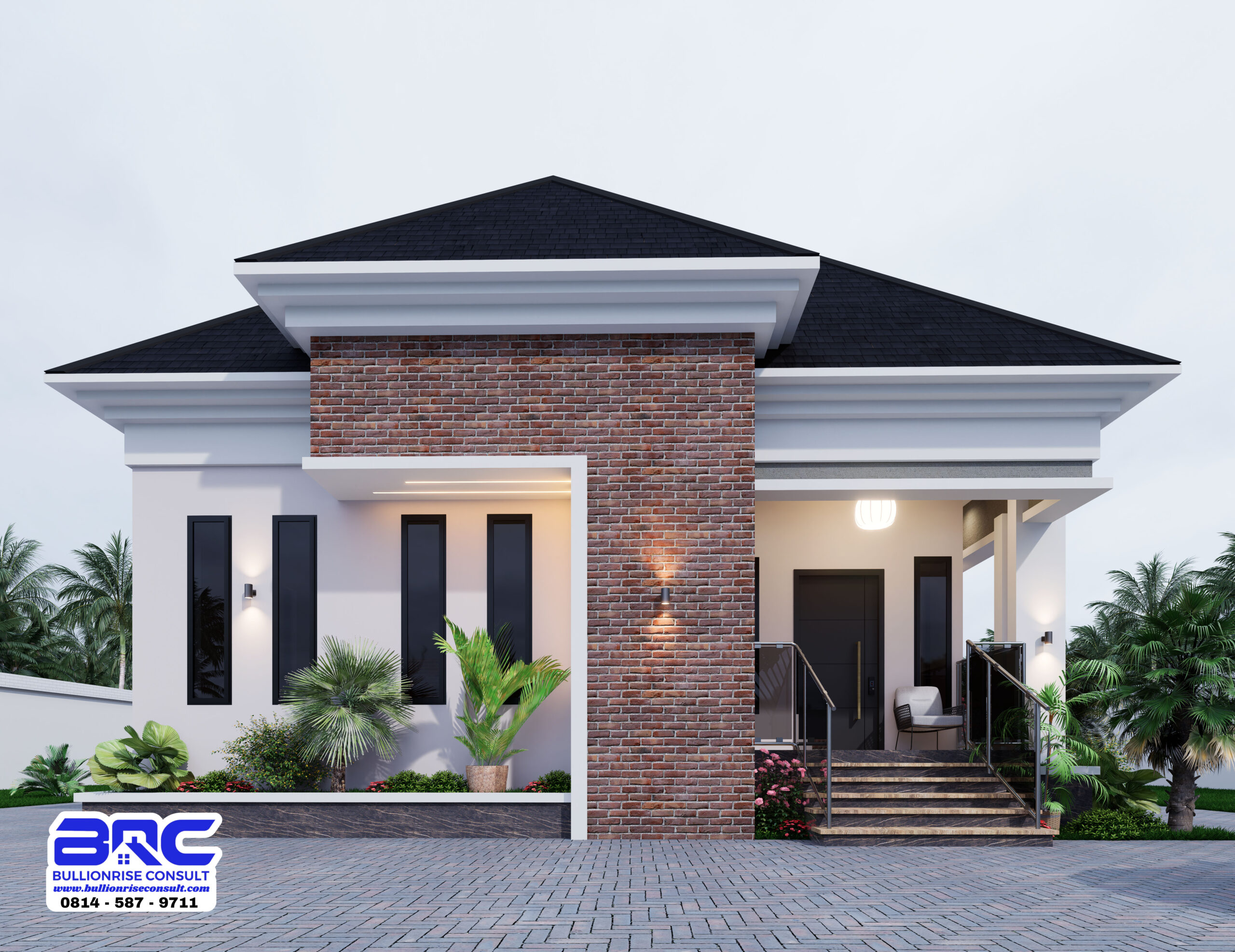
Roofing: Roofing cost depends on the span of the building, the type of roofing sheet you choose, and the price of timber and iron rods for the roof frame. Iron rods are currently averaging around ₦1,100,000 per tonne. Long-span aluminium and stone-coated steel tiles sit at different price points; stone-coated is more expensive upfront but lasts significantly longer in Nigerian weather.
Electrical and Plumbing Installations: This covers all internal wiring, conduit pipes, sockets, breaker boxes, water pipes, bathroom fittings rough-in, and external water tanks or borehole connections. Do not let any contractor cut corners here, bad electrical work is one of the leading causes of house fires in Nigeria.
Tiling, Screeding, and Plastering : tiles, wall tiles for bathrooms and kitchen, external and internal plastering, and concrete screeding. The range here is wide because tile choices vary enormously, basic ceramic tiles cost far less than imported porcelain or marble-finish options.
Painting: Internal and external painting, including primers, undercoat, and finishing coats. The quality of the paint brand and the number of coats affect both cost and longevity. In Lagos humidity, investing in good weather-resistant exterior paint is not optional.
Doors, Windows, and Fittings: This covers all external and internal doors, window frames and louvres or casements, locks, handles, bathroom fittings, kitchen fittings, and ceiling fans or light fixtures. Again, the range here is driven entirely by your taste, local flush doors versus solid hardwood, aluminium windows versus PVC casements.
How Long Will It Take to Build?
A 4 bedroom Single-Floor, built continuously with consistent funding, takes between 9 and 14 months from foundation to key handover. The operative phrase is “consistent funding.” In reality, most self-managed builds in Nigeria take 18 months to 3 years, not because of the work, but because funding dries up and construction pauses.
This is why building in phases is a strategy worth considering. It is a full topic on its own, but the short version is: plan each phase with its own complete budget rather than starting the whole house and running out of money at the roofing level. A stalled, roofless structure exposed to Lagos rain deteriorates fast and costs more to restart.
A Final Word Before You Start
The numbers in this guide are realistic for early 2026, but they will not stay still. Cement just surged from ₦7,500 per bag in late 2025 to between ₦11,500 and ₦15,000 in parts of the country by March 2026, a near-doubling in just a few months. Steel went up. Sand went up. Labour follows.
This means two things for you. First, start sooner rather than later, every month you wait is likely a month of higher material costs. Second, do not go into your build with a lean, exact budget. Give yourself room. The builders who finish their houses in Nigeria are not always the richest ones, they are the ones who planned honestly.
If you want a detailed bill of quantities for your specific project, sized to your land, your design, and your target finish level, our team at Bullionrise Consult can prepare one for you before you spend a kobo on materials. Reach out today and let us help you build with a plan that actually holds.