
You started with a budget. Maybe ₦20 million. You were confident, you had a contractor, and the foundation went up fast.
Then the money started disappearing. One month it was “cement has gone up.” The next it was “we need more rods.” Then “the labourers want an increase.” Before you knew it, you’d spent your whole budget and the house wasn’t even roofed.
If this sounds like you, or someone you know, you’re not alone. Many Nigerian houses end up costing double what the owner planned. And in most cases, it’s not because the owner was careless. It’s because money was leaking from places they couldn’t see.
In this post, I’ll show you the 12 biggest budget leaks I see on Nigerian building sites, and exactly how you can plug each one before it drains your pocket.
Leak 1: Building without a complete building plan
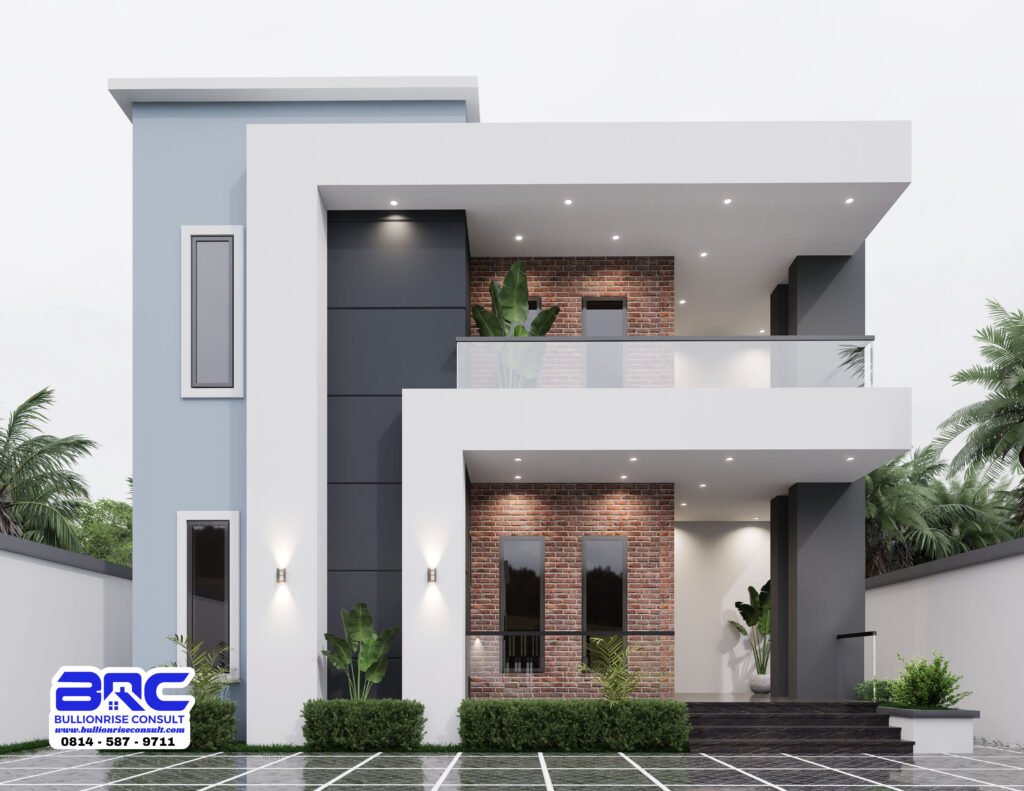
This is the mother of all leaks. When you start with a rough sketch, decisions get made on site, by the bricklayer, the carpenter, or whoever is around that day. A window gets moved, a wall gets added, a room becomes bigger.
Every one of those changes costs money, and many involve breaking what’s already built.
How to plug it: Start with a full, professionally drawn building plan: floor plans, elevations, sections, and structural drawings. Make your changes on paper, where they cost almost nothing.
See complete, ready-to-build house plans with free BOQ→
Leak 2: No Bill of Quantities (BOQ)
Without a BOQ, no one knows exactly how many blocks, bags of cement or tonnes of rods you need. So purchases are reactive. You buy when the contractor calls, at whatever price the market is that day, and often more than you need.
How to plug it: Get a BOQ prepared from your building plan done by a professional quantity surveyor. Use it as your shopping list and your control tool. If the contractor asks for 200 bags and the BOQ says 150, you’ll have to ask questions.
Leak 3: Accepting the lowest quote
A very low quote looks attractive, but it’s often a trap. A common pattern is a contractor who gives an impressively low price, collects a big upfront payment, starts work visibly, and then slows down and keeps asking for more money.
How to plug it: Compare quotes against your BOQ, not against each other. Ask how the contractor arrived at their figure. A quote that’s far below the BOQ is a red flag, not a bargain.
Find out how much your first house will truly cost →
Leak 4: Paying too much upfront
When you pay a large lump sum at the start, you lose your control. If the work is poor or slow, you have little leverage.
How to plug it: Pay by stage. Release money only when each stage (foundation, lintel, roofing) is completed and inspected.
Leak 5: Material theft and “missing” materials
Cement, rods and roofing sheets have a way of disappearing from unsupervised sites. Some go to another project. Some are sold off. Some are simply wasted.
How to plug it: Keep a material register on site. Record what comes in and what is used each day. Store materials in a locked store and have someone you trust take inventory regularly.
Leak 6: Substandard materials sold as standard
Underweight rods, poor-quality blocks with too little cement, and bad sand can save the contractor money and cost you your building’s safety. Some cheap rods are even shorter than the full 12 metres.
How to plug it: Specify materials in writing. Check rod sizes and lengths, and do simple block tests. Your structural drawings should state the exact rod sizes and concrete mix required.
Get house plans with full structural details included →
Leak 7: An over-complicated design
Some house designs look beautiful in pictures but are very expensive to build. Many corners, complex roofs, unnecessary columns and fancy projections all add cost.
How to plug it: Choose a design that balances beauty with buildability. A good architect can give you a stunning house with a simple, efficient structure.
Leak 8: Wasted space
Long corridors, oversized living rooms you rarely use, and rooms with no clear purpose all cost money to build, roof, tile and paint.
How to plug it: Plan every square metre. A smaller, well-planned house often feels bigger and costs far less.
Leak 9: Ignoring the soil
If you don’t test your soil and you build on weak ground, you may face cracks, sinking, or even total failure later. Fixing a failed foundation is far more expensive than designing the right one from the start.
How to plug it: Do a soil test before you design your foundation. It’s a small cost compared to what it protects.
13 stages from empty land to moving in →
Leak 10: Long breaks between stages
In Nigeria, prices rarely go down. A bag of cement that cost about ₦9,300 at the start of 2026 was selling for as much as ₦15,000 by mid-year in some markets. Every month your project sits idle, your money buys less.
How to plug it: Plan your cash flow before you start. Know exactly how much each stage costs so you can save for it and build it in one continuous push.
Leak 11: Changing your mind during construction
“Let’s add a balcony here.” “Let’s make this room bigger.” Changes during construction are among the most expensive decisions you can make, because they often mean breaking and rebuilding.
How to plug it: Make all your decisions before construction begins. Walk through your plan room by room, imagine living in it, and finalise it on paper.
Find the perfect house plan before you build →
Leak 12: No independent supervision
“I trust my contractor” is not a supervision strategy. Even good contractors make mistakes, and some will cut corners when no one is watching.
How to plug it: Have someone who reports to you, not to the contractor, inspect the site at key stages. This is especially important if you live abroad or in another city.
The pattern behind all 12 leaks
Look closely at these 12 leaks and you’ll notice something: most of them begin before the first block is laid. They start with a poor plan, no BOQ, no clear budget, and no clear decisions.
That means the most powerful money-saving tool you have isn’t a cheap contractor. It’s a good building plan, made before you start.
About to build? check your house plan for these 11 costly mistakes→
Your next step
At Bullionrise Consult, we design building plans that are practical to build, easy to cost, and realistic for Nigerian budgets. Our goal is simple: to help you build the house you want without watching your money disappear on site.
Before you start your next project, or before you put more money into one that’s leaking, take a look at our building plan portfolio. Find a design that fits your land, your family and your budget.